
How does a Pcba manufacturing manage production timelines?
Pcba manufacturing manage production timelines
PCBA (Printed Circuit Board Assembly) manufacturing is a complex process that involves various stages, from design to production. Managing production timelines in PCBA manufacturing is crucial for ensuring efficiency, meeting deadlines, and delivering high-quality products to customers. This article explores the strategies and methods employed by PCBA manufacturers to effectively manage production timelines.
One of the primary ways PCBA manufacturers manage production timelines is through meticulous planning and scheduling. Before production begins, manufacturers create detailed production schedules that outline the sequence of tasks, allocation of resources, and estimated timeframes for each stage of the manufacturing process. This proactive approach allows manufacturers to identify potential bottlenecks or delays early on and take preemptive measures to address them.
Another key strategy is the implementation of advanced pcba manufacturing technologies and automation systems. Automation streamlines various aspects of the production process, reducing manual intervention and minimizing the risk of errors or defects. By leveraging automated equipment for tasks such as component placement, soldering, and quality control, PCBA manufacturers can significantly improve efficiency and accelerate production timelines.
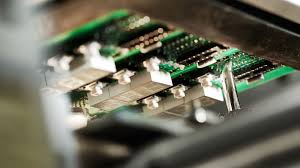
How does a Pcba manufacturing manage production timelines?
Additionally, effective supply chain management plays a critical role in managing production timelines in PCBA manufacturing. Timely procurement of components and materials is essential for ensuring uninterrupted production flow. Manufacturers work closely with suppliers to establish reliable supply chains, negotiate favorable lead times, and maintain optimal inventory levels. By having access to the necessary components precisely when needed, manufacturers can prevent delays and keep production on schedule.
Furthermore, PCBA manufacturers employ rigorous quality control measures to uphold production timelines while ensuring product quality and reliability. Implementing robust quality assurance processes at each stage of production helps identify and rectify any defects or issues promptly. By maintaining strict quality standards, manufacturers can minimize rework, reduce production delays, and deliver flawless products within the specified timeframe.
Effective communication and collaboration among cross-functional teams are also vital for managing production timelines in PCBA manufacturing. Project managers, engineers, technicians, and other stakeholders must work together seamlessly to coordinate efforts, share information, and address any challenges that arise during the production process. Regular meetings, progress updates, and clear communication channels facilitate transparency and enable quick decision-making, enabling manufacturers to stay on track with production schedules.
Moreover, PCBA manufacturers continuously monitor and optimize their production processes to identify areas for improvement and enhance efficiency. Through data analysis, performance metrics, and feedback mechanisms, manufacturers gain valuable insights into production performance, resource utilization, and cycle times. By identifying inefficiencies and implementing corrective actions, manufacturers can streamline operations, reduce lead times, and improve overall productivity.
In conclusion, managing production timelines in PCBA manufacturing requires a combination of strategic planning, technological innovation, supply chain optimization, quality control, teamwork, and continuous improvement. By adopting proactive approaches, leveraging advanced technologies, and fostering collaboration across teams, manufacturers can effectively navigate the complexities of the manufacturing process and deliver high-quality PCBAs within the specified timelines.