
What are the common challenges faced during Rigid flex pcb supplier?
common challenges faced during Rigid flex pcb supplier
Supplying rigid-flex printed circuit boards (PCBs) is a complex process that involves overcoming a variety of challenges. These challenges arise from the unique properties of rigid-flex PCBs, which combine both rigid and flexible substrates to meet the demands of advanced electronic applications. Rigid-flex PCB suppliers must navigate issues related to design complexity, material selection, manufacturing processes, and quality assurance to deliver reliable products.
One of the primary challenges in supplying rigid-flex PCBs is managing design complexity. Rigid-flex PCBs are often used in applications where space is at a premium and the PCB must fit into unconventional shapes or enclosures. Designing these PCBs requires meticulous planning to ensure that the rigid and flexible sections work together seamlessly. Engineers must consider factors such as bend radius, flex cycling, and the placement of components on both rigid and flexible areas. Missteps in the design phase can lead to mechanical failures or signal integrity issues, necessitating a thorough understanding of both electrical engineering and mechanical design principles.
Material selection poses another significant challenge. rigid flex pcb supplier require materials that can withstand both the mechanical stresses of bending and the thermal stresses of manufacturing processes like soldering. The rigid sections typically use materials like FR-4, while the flexible sections use polyimide or other flexible substrates. Ensuring compatibility between these materials is crucial for the overall reliability of the PCB. Additionally, the adhesives used to bond the rigid and flexible sections must provide strong adhesion without degrading over time or under environmental stress. The wrong choice of materials can lead to delamination, cracking, or other failures in the field.
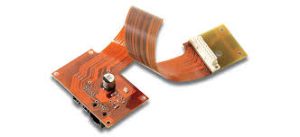
What are the common challenges faced during Rigid flex pcb supplier?
Manufacturing processes for rigid-flex PCBs are more complex than those for standard rigid or flexible PCBs. The integration of rigid and flexible sections requires precise control over multiple manufacturing steps, including drilling, plating, and lamination. The flexible sections must be able to withstand the thermal and mechanical stresses of these processes without degrading. Furthermore, maintaining tight tolerances is critical, especially when dealing with fine pitch components and high-density interconnects (HDI). Variations in the manufacturing process can lead to misalignments, defective vias, and other issues that compromise the PCB’s performance.
Quality assurance is another critical area where rigid-flex PCB suppliers face challenges. Ensuring the reliability of rigid-flex PCBs requires rigorous testing and inspection. Automated optical inspection (AOI), X-ray inspection, and functional testing are essential to identify defects such as misaligned components, insufficient solder joints, or microcracks in the flexible sections. However, the complexity of rigid-flex PCBs means that traditional inspection methods may not always be sufficient. Advanced techniques, such as flex cycling tests and thermal cycling tests, are often required to simulate real-world conditions and verify the durability of the PCBs.
Supply chain management also plays a crucial role in the challenges faced by rigid-flex PCB suppliers. Sourcing high-quality materials that meet the specific requirements of rigid-flex PCBs can be difficult. Suppliers must establish reliable relationships with material vendors and ensure that they receive consistent, high-quality materials. Additionally, lead times for these specialized materials can be longer, which requires careful planning and inventory management to meet production schedules and customer demands.
In conclusion, rigid-flex PCB suppliers must overcome a range of challenges related to design complexity, material selection, manufacturing processes, quality assurance, and supply chain management. Successfully navigating these challenges requires a deep understanding of both the electrical and mechanical aspects of rigid-flex PCBs, as well as a commitment to continuous improvement and innovation. By addressing these challenges effectively, suppliers can deliver high-quality, reliable rigid-flex PCBs that meet the stringent requirements of advanced electronic applications.